Beaches and seas represent some of the areas most affected by plastic pollution. Every year, tons of plastic waste end up in our marine ecosystems, putting biodiversity, tourism and human health at risk. In this context, the plastic-free mission assumes crucial importance, especially in coastal areas.


But let’s recap the situation: to date, what has been done to rid beaches and seas of plastic? What obstacles remain? What are the key next steps?
Let’s start by looking at what steps have been taken to protect the shoreline and how far civic engagement has come.
Plastic free ordinances in coastal municipalities
In recent years, many beach municipalities have adopted plastic-free ordinances banning the use of single-use plastics on beaches, equipped lidos and kiosks. The goal is to reduce the spread of waste that is difficult to collect and harmful to the marine environment.


Beach cleanup and environmental volunteering
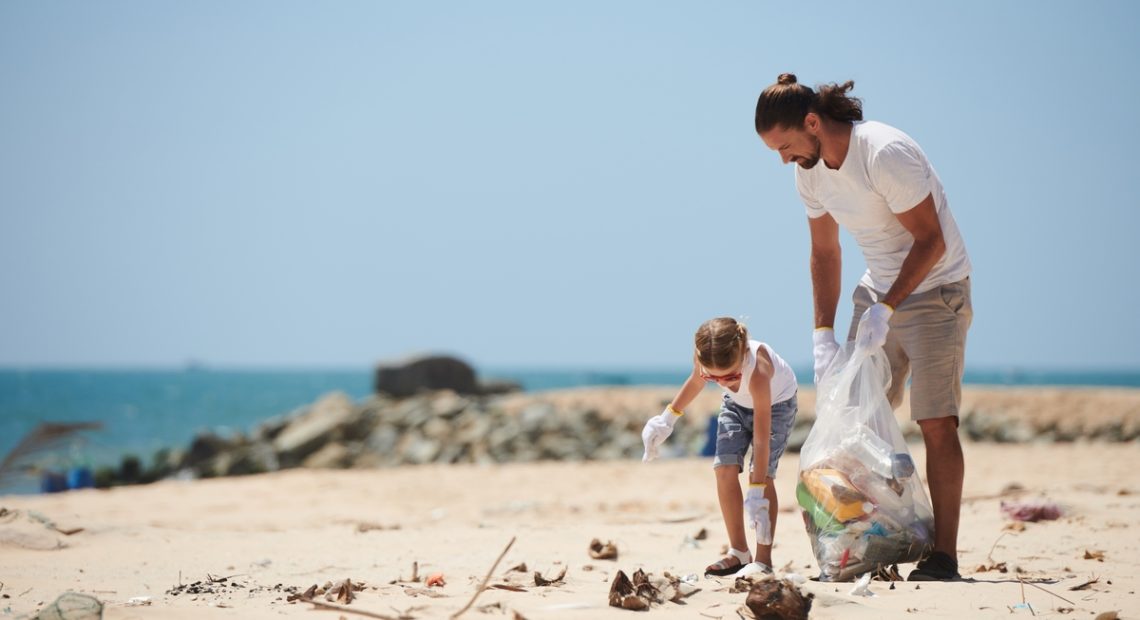
Clean-up initiatives organized by associations such as Plastic Free Onlus, Legambiente, WWF and local volunteer groups have made it possible to remove thousands of tons of plastic from Italian coasts. These activities involve more and more citizens and tourists.
Marine monitoring and protection projects
In some areas, especially in marine protected areas, there is investment in scientific monitoring of stranded litter, with data collection and awareness raising among local people. Projects such as “Fishing for Litter” also involve fishermen in marine litter recovery.
Ban on non-biodegradable products on some beaches
In several areas, a ban has been imposed on the sale of non-compostable plastic bottles, cups and tableware. This has encouraged the introduction of alternative materials, such as PLA or wax paper.
That said, let’s see what the gaps are and what is still not working.
Abandoned open beaches
Undeveloped beaches are often the most neglected, where the absence of trash cans, monitoring, and maintenance facilitates the accumulation of plastic, especially after summer weekends.
Microplastics: the invisible threat
Even where waste is visibly removed, microplastics remain: fragments smaller than 5 mm that accumulate in the sand and seabed, impossible to collect by traditional methods.
Unconscious tourism
Despite education campaigns, a significant portion of plastic waste on beaches comes from visitors’ misbehavior: butts, bottles, packaging and broken toys are among the most frequent litter.
Lack of recycling infrastructure at beach locations
Many establishments and kiosks complain of poor waste collection services, which makes it difficult to handle waste properly, especially during busy periods.
Finally, what more can be done and what are the next steps to have a truly plastic-free sea?
Enforcement of plastic-free regulations must be strengthened with clear obligations and effective controls, followed by penalties for those who do not comply.
Continuing environmental education
Targeted campaigns on proper beach behaviors should be consistently disseminated directly on the shoreline, especially during busy periods.
Engaging sustainable tourism
Promote responsible tourism formulas, where reducing environmental impact becomes a distinctive and quality element for accommodation facilities.
Innovation for cleaning microplastics
We need to invest in new beach cleaning technologies capable of removing even invisible plastic debris without damaging sandy ecosystems.
Promoting alternative materials for bathing use
From beach toys to food packaging, there is an urgent need to encourage the production and use of compostable or reusable items, including through business incentives.
In conclusion, the fight against plastic on beaches and in the seas cannot stop. Achievements show that change is possible, but to truly protect our marine ecosystems requires a collective, constant and structured commitment. Only with the joint action of institutions, citizens, businesses and tourists can we really talk about plastic-free beaches as a concrete reality.
© Riproduzione Riservata