The sea is one of our planet’s most valuable resources: it covers more than 70 percent of the Earth’s surface, is home to millions of living species, and plays a key role in climate regulation. However, marine pollution is growing steadily, and we humans are the main cause: seemingly harmless daily activities that added together end up having a devastating impact on the marine environment.


The good news? Changing course is possible.
Each of us can effectively contribute to the preservation of the sea simply by adopting a few simple sustainable habits in our daily routines.


1. Leave no trace: the golden rule at the beach.
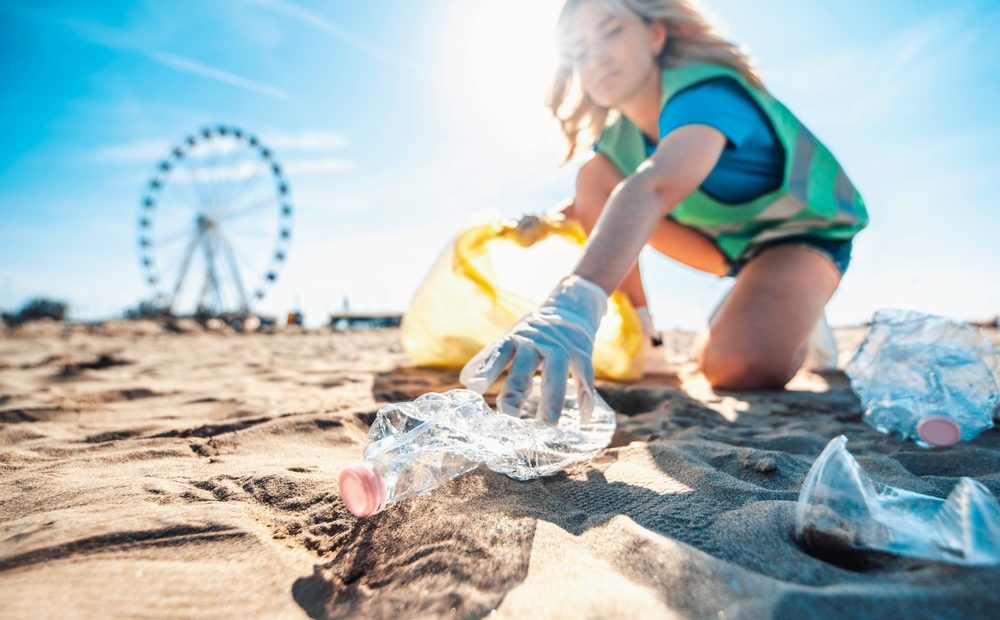
Every summer, tons of trash abandoned on Italian beaches ends up in the sea. Bottles, straws, bags, food packaging-all non-biodegradable materials that take decades, if not centuries, to decompose.
What to do?
- Take a waste bag with you and use it.
- You also collect what others have abandoned.
- Use portable ashtrays for cigarette butts.
Did you know. A single butt can pollute up to 1,000 liters of water.
2. Sunscreens: beware of ingredients.
Many sunscreens contain chemicals that are toxic to the marine ecosystem. Primarily, oxybenzone can damage the DNA of corals and hinder their reproduction.
Choose reef-safe solariums:
- Check that they are free of oxybenzone, octinoxate, parabens and microplastics.
- Prefer biodegradable formulas with natural physical filters, such as zinc oxide or titanium dioxide.
Did you know. More than 14,000 tons of sunscreen end up in the sea each year.
3. Stop single-use plastics.
Eighty percent of marine litter comes from land. This is often disposable plastic, which is carried into rivers and then into the sea. Glasses, plates, cutlery, straws and small bottles account for the bulk of the problem.
Change habits:
- Always carry a water bottle with you instead of buying bottled water.
- Use cloth bags for groceries and reusable containers for food.
- Avoid single-dose packages where not strictly necessary.
Did you know. A plastic bottle takes up to 450 years to decompose.
4. Detergents and drugs: where do they end up?
Many products we use at home end up, via sewers and drains, directly into waterways and then into the sea. This applies to harsh detergents, shampoos, paints, but also to expired medications disposed of in the sink.
Best practices:
- Use eco-friendly cleaning products with natural ingredients.
- Dispose of expired drugs in pharmacies, not in the toilet or sink.
- Avoid excessive use of bleach and chemical disinfectants.
Did you know. Traces of antibiotics have been found in more than 50% of seawater samples analyzed in the Mediterranean Sea.
5. Consume fish responsibly.
Industrial and illegal fishing threatens the balance of the marine ecosystem. Some species are overexploited and at risk of extinction. It is essential to adopt more conscious and informed consumption.
Practical advice:
- Choose seasonal and local fish, avoiding depleting species.
- Buy products with sustainable fishing certifications, such as MSC (Marine Stewardship Council) or Friend of the Sea.
- Try to vary the species consumed, avoiding those most in demand such as tuna or salmon, to reduce pressure on specific fish stocks.
Did you know. The Mediterranean is one of the most overfished seas in the world.
6. Active participation: volunteering and outreach.
Participate in local initiatives helps build a culture of respect for the sea and the environment by involving as many people as possible.
What can you do?
- Participates in beach or seabed cleanup days, often organized by local associations.
- Sign up for educational campaigns or events sponsored by organizations such as Legambiente, WWF or Plastic Free.
- Share information on social, participate in community projects.
Did you know. A group of 20 people can collect up to 300 kg of waste in a few hours.
Protecting the sea is not a mission impossible, nor something to be put off. It is a task that affects all of us, every day. Our behavior on land has a direct impact on the ocean. Every bottle not purchased, every waste collected, every conscious choice is a step toward a cleaner future.
It all starts with small gestures. It starts today. The sea cannot wait.
© Riproduzione Riservata